

Few words trigger as many images as the word dominatrix. Latex and leather, the whip and the command, a strict woman in a dimly lit room. These images are not wrong, but they are incomplete. They show the surface and miss what matters. A dominatrix is more than a cliché. It is about role, language, trust, staging, and a consciously crafted dynamic between power and surrender. Lady-Sas.com has been exploring this subject since 2013 through the lens of femdom and lived BDSM culture, drawing on more than 170 interviews with people from the scene. This article explains, calmly and clearly, what a dominatrix really is and what larger world lies behind the term.
What Is a Dominatrix?
A dominatrix is a woman who takes the dominant role in a BDSM context. In German-speaking countries she is often called a Domina, a word that comes from the Latin domina, meaning mistress or lady of the house. Both terms capture the same heart of the matter: a woman who leads, and a counterpart who chooses to be led.
This role can be lived in very different ways. In the professional sphere it may involve paid sessions built around clearly negotiated scenarios. In the private sphere the focus is more on relationship, fantasy, role play, and female dominance lived day to day. Both are legitimate, but they are not the same thing.
One distinction often gets lost: not every dominant woman is a professional dominatrix, and not every woman who lives femdom does so professionally. Dominance is a stance and a preference, not a job description. Anyone who hears the word dominatrix and immediately pictures a studio is narrowing the subject more than they need to.

Dominatrix and Femdom: Where Is the Difference?
Femdom, short for female domination, is the broader term for female dominance in all of its forms. It encompasses the culture, the fantasy, the relationship dynamic, the role model, and the psychological play of leading and following. It is an umbrella that stretches from the quiet power imbalance within a partnership to the most artful staging. Learn more in our Femdom Guide.
The word dominatrix, by contrast, is narrower. It is closely tied to the role of the dominant woman and, in everyday use, often linked to professional dominance. A dominatrix is usually part of the wider femdom spectrum, but not every woman who lives femdom thinks of herself as a dominatrix.
Lady-Sas.com deliberately understands femdom as more than a service: as culture, fantasy, relationship dynamic, power play, and a path of personal growth.
What Does a Dominatrix Do?
The common assumption is: hitting, humiliating, commanding. That falls short. A dominatrix works above all with tension, language, and structure. The physical side is only one part, and often the smallest one.
Typical elements of female dominance include rules and rituals, clearly assigned tasks, a deliberately chosen use of language, control within role play, tease and denial, chastity as fantasy, playful humiliation, service, training games, and a crafted power imbalance. Some of these elements are sensual, others almost strict, still others quiet and nearly meditative. How much of it lives in the mind rather than the body is something a London-based dominatrix describes in an interview on Lady-Sas.com.
I like mental domination because it’s something that is not really obvious, you can witness the transformation slowly.
Mistress Akella, London
The frame is what matters most. All of it takes place strictly voluntarily and consensually, with clear boundaries and the option to stop at any moment. A good dominatrix knows those boundaries precisely and respects them. Fantasy stays fantasy, play stays play. If you want to understand the practices in more detail, the BDSM Guide offers a clear overview.

Professional Dominatrix, Private Mistress, and Dominant Partner
Anyone looking for a dominatrix should first know which form of female dominance they actually mean. Three roles are frequently confused, yet they differ clearly.
The professional dominatrix operates within a clear service framework. Sessions are negotiated, time-limited, and usually follow an agreed structure. The appeal lies in the professional staging and the woman’s experience.
The private mistress lives dominance without a commercial frame. Here the personal connection takes center stage. Such a relationship is rarer and harder to find, because it rests on chemistry, trust, and mutual interest rather than on a booking.
The dominant partner, finally, lives female leadership within a relationship. Here everyday life, trust, and communication merge with the power imbalance. This model is often described as a Female Led Relationship and is explained in detail in the FLR Guide.
Why Do So Many Men Search for a Dominatrix?
The longing for a dominatrix is more widespread than many assume. It can be explained in an understandable way without turning it into a problem. People who feel submissive often look for guidance, for relief from constant self-responsibility, and for clear roles. It is the wish to let go and to hand over control consciously and willingly.
There is also the recognition of one’s own submissive side. Many people carry this inclination for a long time without being able to voice it. A dominatrix, a mistress, or a dominant partner offers a frame in which that side is not hidden but seen.
One thing remains important: this does not apply to everyone, and it is not a diagnosis. Femdom is one preference among many, not a deficit and not a sign of weakness. The fascination with surrender is as legitimate as the fascination with leadership.
The Most Common Clichés About Dominatrices
A number of stubborn clichés have attached themselves to the word dominatrix. It is worth looking at them calmly and taking them apart.
A dominatrix is not automatically brutal. Strictness is a staging, not an end in itself. It is also not always about pain. Many practices work entirely without it, relying instead on tension, language, and psychological dynamics. And dominance is not the same as recklessness; on the contrary, real dominance requires attention, sensitivity, and responsibility. A Los Angeles dominatrix captures that balance when she describes what truly draws her in.
What truly excites me is being entertained by submissives while consensually challenging their limits.
Mistress Inga Larsson, Los Angeles
So BDSM is not a loss of control in real life. It is a voluntary, negotiated frame that ends the moment one of the participants wants it to. Responsibility is part of the role, including the careful return afterward, as a Paris-based dominatrix points out.
I am responsible for bringing the nervous system down in a safe landing with some aftercare.
Domina M, Paris
A good dominatrix pays attention to boundaries, to language, to safety, and to the effect of what she does. That very care is what separates experienced women from the cliché.
Dominatrix Interviews on Lady-Sas.com
Lady-Sas.com has been documenting the world of femdom and BDSM since 2013. At the center are not claims, but real voices. More than 170 interviews with mistresses, private femdoms, submissives, and people from the scene have taken shape over the years, forming a unique archive of lived experience.
These conversations show how differently female dominance is actually lived: professionally and privately, artistically and psychologically, erotically and spiritually, strict and playful. Asked what she loves about her role, a dominatrix from Derby in the United Kingdom sums up the essence in a single line.
I love the dynamics, the power exchange, the reactions and the control.
Domina Liza, Derby, United Kingdom
For others, dominance is not a pose but a part of who they are, lived well beyond any session. That is how a well-known mistress in Bucharest puts it.
In my personal life I have no problem to live my dominant lifestyle 24/7.
Mistress Ezada Sinn, Bucharest
There is no single dominatrix, just as there is no single form of surrender. That very diversity is what makes the subject so compelling. That this work is noticed beyond the scene shows in the media response: Lady Sas has been cited by COSMOPOLITAN Germany as an expert on female dominance, and a book by Lady Sas was recommended in a report by the public broadcaster format FUNK. These insights come from documentation, not from performance.
The Dominatrix Scene Around the World: Cities, Scenes, and Insights
The dominatrix scene is shaped differently from region to region. Major cities such as Berlin, London, Los Angeles, and New York each have their own atmospheres, alongside an international circuit that reaches from Paris to Tokyo. Anyone interested in real insights will find interviews and city guides on Lady-Sas.com that show the many facets of the scene.
Lady-Sas.com is deliberately not a directory and not a booking portal. What comes first is understanding: how people live femdom, which paths they have taken, and what they have learned along the way. Here geography is a window into different cultures of female dominance, not a listings page.
Books, Guides, and Courses on Female Dominance
If you want not only to read about the subject but to truly understand and shape it, Lady-Sas.com offers guides, books, audiobooks, courses, and experiences. They range from a first introduction to deeper themes such as chastity or tease and denial.
Good starting points are the Femdom Guide for an overview of female dominance, the BDSM Guide for the basics and the practices, and the FLR Guide for anyone who wants to live leadership within a relationship. If you prefer a guided, hands-on start, our books offer a structured way in. There is no pressure and no rush. Femdom is a path, not a race.
Conclusion: A Dominatrix Is More Than a Cliché
The word dominatrix is powerful, but it is often reduced to too little. Latex, leather, and the whip are only the most visible layer of a far larger subject. Behind it lie power and role, language and trust, staging and boundaries, consent and psychological dynamics.
Lady-Sas.com shows that larger world: female dominance in its full range, femdom as culture, BDSM as a consciously crafted experience. Since 2013, carried by more than 170 documented interviews and a calm, respectful approach. Anyone who takes the word dominatrix seriously discovers not a cliché, but a culture. Femdom & BDSM Culture Since 2013.
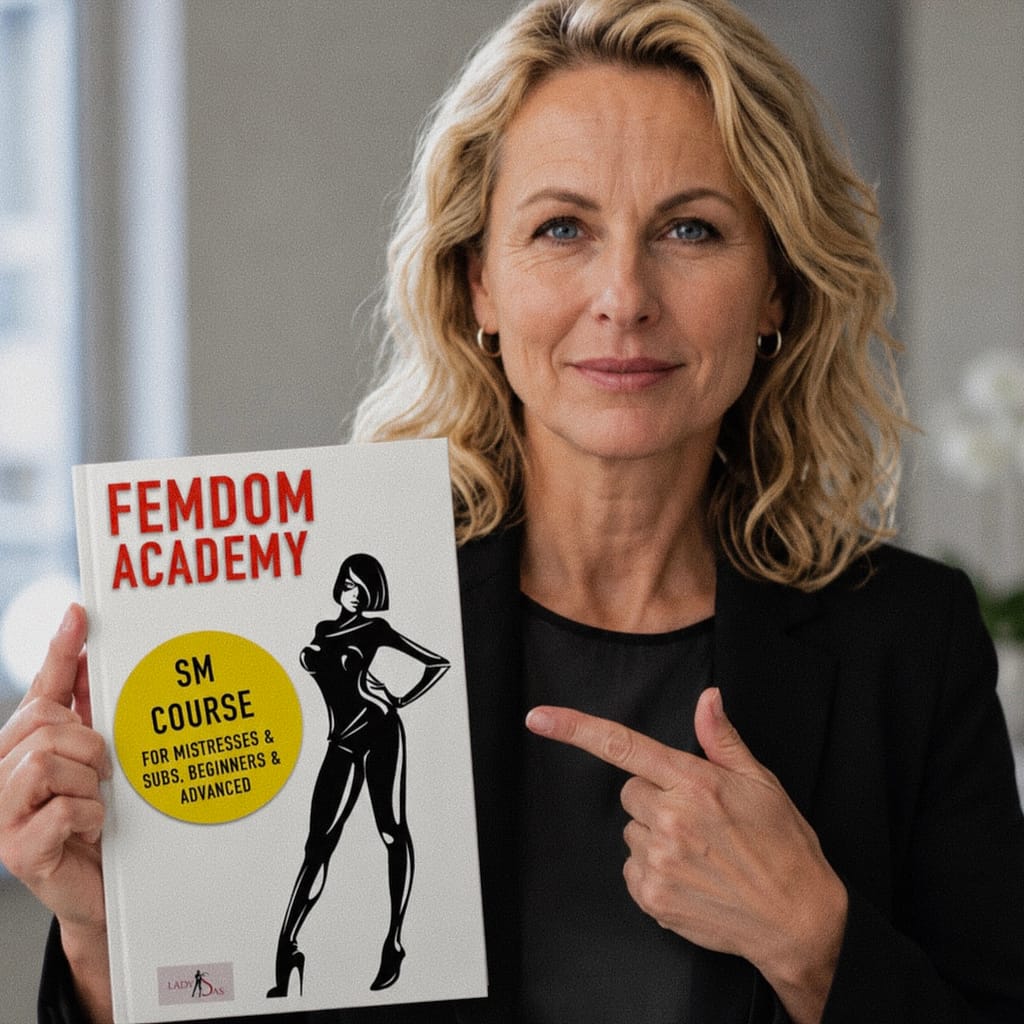
Want to explore female domination more deeply? Start with Femdom Academy.
For Mistresses and Subs. Rated ⭐️⭐️⭐️⭐️½ 4.5 out of 5 stars on Amazon (96 global ratings).
Other readers also liked:
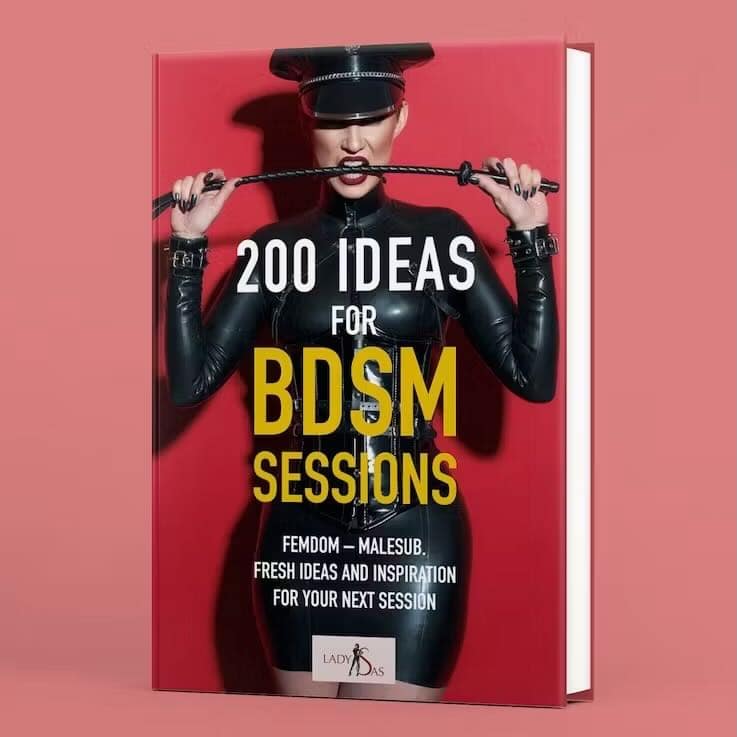
New ideas for exciting sessions
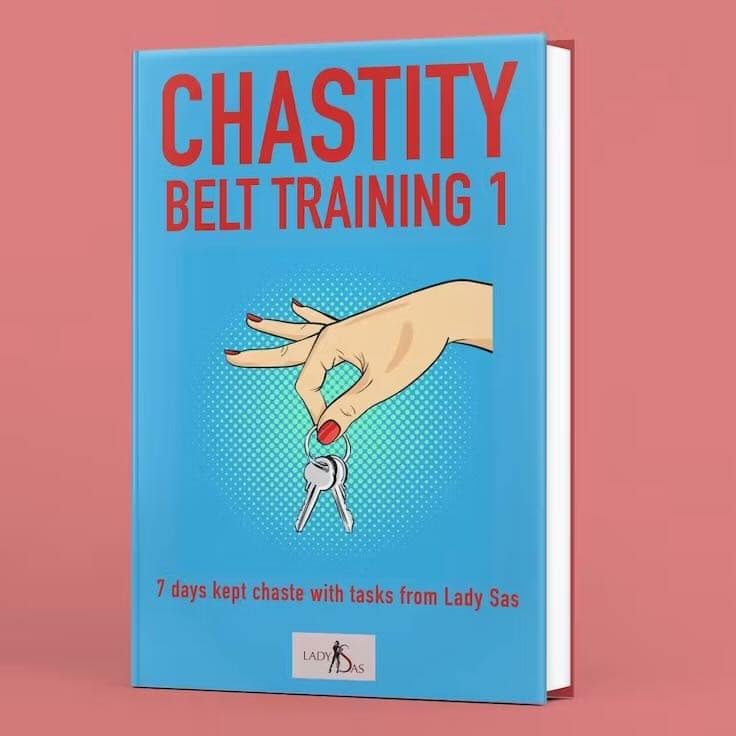
Let the Mistress keep you chaste
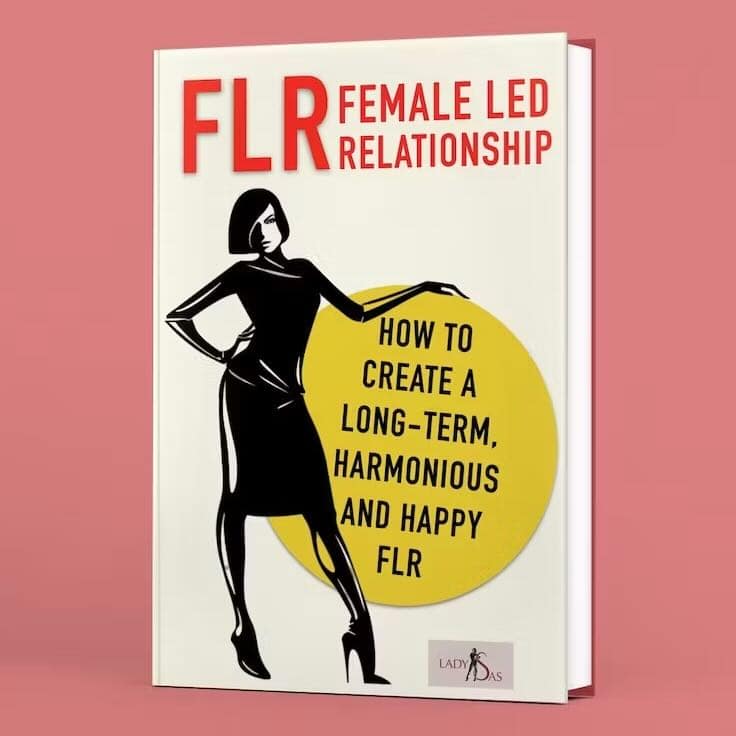
Start a female-led relationship
Frequently Asked Questions About Dominatrices
What is a dominatrix?
A dominatrix, often called a Domina in German-speaking countries, is a woman who takes the dominant role in a BDSM context. The term comes from the Latin domina, meaning mistress. She is a woman who leads, while her counterpart chooses to be led, whether professionally, privately, or within a relationship.
What is the difference between a dominatrix and femdom?
Femdom is the broader term for female dominance as culture, fantasy, and relationship dynamic. Dominatrix is narrower and often tied to the role of the dominant woman and to professional dominance. A dominatrix is usually part of the wider femdom spectrum, but not every woman who lives femdom thinks of herself as a dominatrix.
Is every dominatrix a professional?
No. Some dominatrices work within a clear professional framework, while private mistresses and dominant partners may live female dominance without any commercial background. Dominance is a stance, not a job description.
What does a dominatrix do in BDSM?
Typical elements include rules and rituals, tasks, the deliberate use of language, control within role play, tease and denial, chastity as fantasy, and a crafted power imbalance. All of it happens strictly voluntarily, consensually, and within clear boundaries.
How do I find a private dominatrix or mistress?
A private mistress is found not through a booking but through connection, trust, and shared interest. That takes time and honesty about your own wishes. The Find Your Mistress feature and the FLR Guide on Lady-Sas.com offer guidance.
Is BDSM with a dominatrix dangerous?
BDSM is not a loss of control but a voluntary, negotiated frame that can be ended at any time. Safety, clear boundaries, communication, and a safeword are part of the foundation. Anyone who respects these principles is operating within a conscious and respectful frame.
Which books help with getting started in femdom and BDSM?
For getting started, structured guides and introductory books work well, the kind that name a clear problem and explain it step by step. On Lady-Sas.com you can discover suitable titles as well as the Femdom Guide and the BDSM Guide as a starting point.